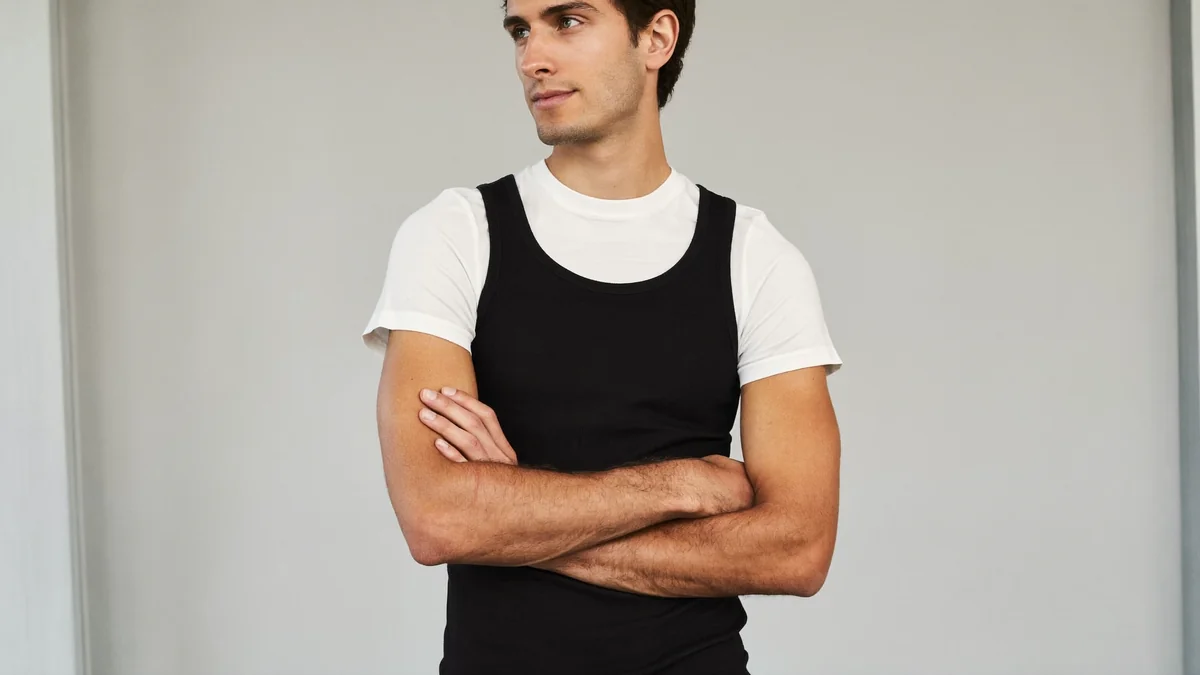
A model's Instagram preset is a saved color and light filter that does one job: keep your feed cohesive. The trouble starts when it turns into digital makeup, because the booker opens your photo next to the raw polaroid, and the agency decides by the gap between the two.
Because a mother agency looks at this kind of material every day, we can be direct about where a preset helps and where it burns you.
What a preset fixes, and what it doesn't
A preset standardizes. It takes ten photos shot on different days and gives them all the same color and contrast, which makes a feed look like it belongs to someone who takes their image seriously.
What it can't do: rescue a photo taken in the dark, fix framing, or invent skin that wasn't there. A preset is finishing, not repair.
Why an over-edited photo reads wrong to the booker
The booker isn't comparing your photo with another photo. They're comparing it with you. Their reference is the unfiltered polaroid and the day you walk into the casting.
When the feed shows smooth skin that the casting camera can't find, the gap turns into distrust. It's not about looking good in the photo. It's about the photo promising something your body doesn't deliver in person.
That's why digitals and polaroids go without heavy filters: they're a measurement, not a shop window.
The right model Instagram preset is the one nobody notices
A good preset disappears. It adjusts the light, neutralizes a yellow cast, opens up a crushed shadow, and nobody looking at the photo thinks "that's a filter." The skin keeps its texture, the eyes keep their detail, the color of the clothes stays true.
A bad preset shouts. Plastic skin, an orange or green cast, contrast that eats the face. That's the one the booker spots right away and marks down.
A cohesive feed outweighs one great standalone photo
One excellent photo in a messy feed gets lost. Ten average photos with the same visual line signal someone consistent, and consistency is what an agency looks for when it opens your profile.
A mother agency reads your Instagram before any conversation. What it measures first isn't the best photo, it's whether the whole set has direction. Reference profiles in the industry, like the ones listed on models.com, show this pattern: consistent imagery, restrained editing.
If the problem is the whole feed and not just the editing, the Model's Instagram Survival Manual shows how to build a profile that opens doors instead of closing them.
How to test whether your preset is too heavy
Three quick tests, no app needed:
- Put the edited photo next to an unfiltered selfie of yourself, on the same screen. If they look like two different people, the preset has gone too far.
- Zoom in on the skin. Pores and small marks should show. Skin that's too smooth is a sign the edit erased you.
- Look at the white of your clothes and the white of your eyes. If they've shifted toward orange, blue or green, the preset moved your skin tone too, and that's what reads as strange to the booker.
Presets by purpose: feed yes, digitals never
How you use one changes with who the photo is for.
On the feed, a light preset adds cohesion and helps. On polaroid material and on the digitals that go to an agency, no preset at all: natural light, plain wall, zero filter. Digitals exist to show the truth, and a filter there is a shot in the foot.
Anyone starting out as a model saves time by separating this early: one edit for Instagram, none for the material the agency evaluates.
Inside Cosmos
Cosmos is a Brazilian mother agency based in Florianópolis (SC), with a network of more than 50 agencies we've worked with in Asia, Europe and around the world. When we look at a new face's Instagram, we're not looking for the prettiest photo.
Our process usually starts with checking whether the feed has an honest visual line and whether the digitals show the person the way they arrive at a casting. A light edit to standardize the feed helps. A filter that rewrites the face gets in the way, because it creates an expectation the client doesn't find in person.
If you want to standardize your feed with a light edit, without a heavy hand, the presets were made for that.
Frequently asked questions
A light preset that standardizes color and light without touching the skin. Anything that makes skin look plastic or shifts the tone of your face works against you at a casting.
On the feed, yes. On digitals and polaroids, no. The agency wants to see you unfiltered so it can compare with the day of the casting.
No. What matters is that it's light and suits your lighting. An expensive preset applied badly ruins the photo just the same.
Not if it only adjusts light and color. It becomes a problem when it changes your face, skin or body, because then the photo promises something you don't deliver in person.