How to become a model in Brazil is less about beauty and more about fit, and one rule separates the serious path from a scam in the very first week: a real agency never charges you to represent you. The rest is route, material and patience.
This guide covers the whole path, from zero to the agency's yes. What kind of model you are, what the law requires, what the market measures, which material opens doors and how not to fall into a trap. No romanticizing.
There's a type of work for every body
Modeling isn't one thing. Before any photo, figure out which market your body fits, because each one asks for something different.
Runway and fashion editorial are what most people picture, and they're the narrowest. That's the market that filters by height and body type. It's also the smallest share of the work.
Commercial is where most models actually work. E-commerce, catalog, brand campaigns, showroom. Here the client wants a face that sells the product, not runway measurements, and the height bar drops a lot.
Then there are the niches nobody tells beginners about: fitness, plus size, advertising with everyday people, hand models, hair models, shoe models. Plenty of people who don't make it in fashion earn steadily in one of these.
Knowing where you fit changes everything. A girl who is 1.68 m hears "no" from a runway agency and thinks it's over, when that was never her market to begin with.
Age: what Brazilian law requires
If you're over 18, you decide on your own and sign your own contract. Below that, Brazil has a rule that isn't optional.
A minor under 18 who works with their own image needs a court authorization (alvará judicial), granted by the judge of the Childhood and Youth Court, under article 149 of Brazil's Statute of the Child and Adolescent (ECA). It isn't the agency that grants it, it's the court. The request is filed by the parents or guardians, through a lawyer.
Since June 16, 2026, under the decree that regulates the Digital ECA, platforms have started requiring that same authorization for monetized or boosted content that frequently uses a minor's image or routine on social media. In other words, today it also applies to anyone who wants to make a living from their image online before turning 18.
Legal requirements change and vary case by case. Before starting with a teenager, confirm with a lawyer or directly with the Childhood and Youth Court in your district.
Measurements: what the market really measures
Measurements are a screening tool, not a verdict. They tell you which door to knock on first, not whether you're good enough.
As a guideline, the women's fashion board usually sits around 1.73 m to 1.80 m, and the men's around 1.85 m to 1.90 m. Commercial opens that range wide and works with shorter people all the time. The numbers vary by agency and market, so treat them as a range, not a fixed cutoff.
What counts alongside height is proportion, skin, teeth, healthy hair and the way you move. None of that shows up on a measuring tape.
If your height falls outside the runway board, don't force that market. Go commercial, which is bigger and pays the bills all year round.
The material that opens doors
An agency doesn't decide based on your selfie. It decides on three things, and you can put together all of them for free or close to it.
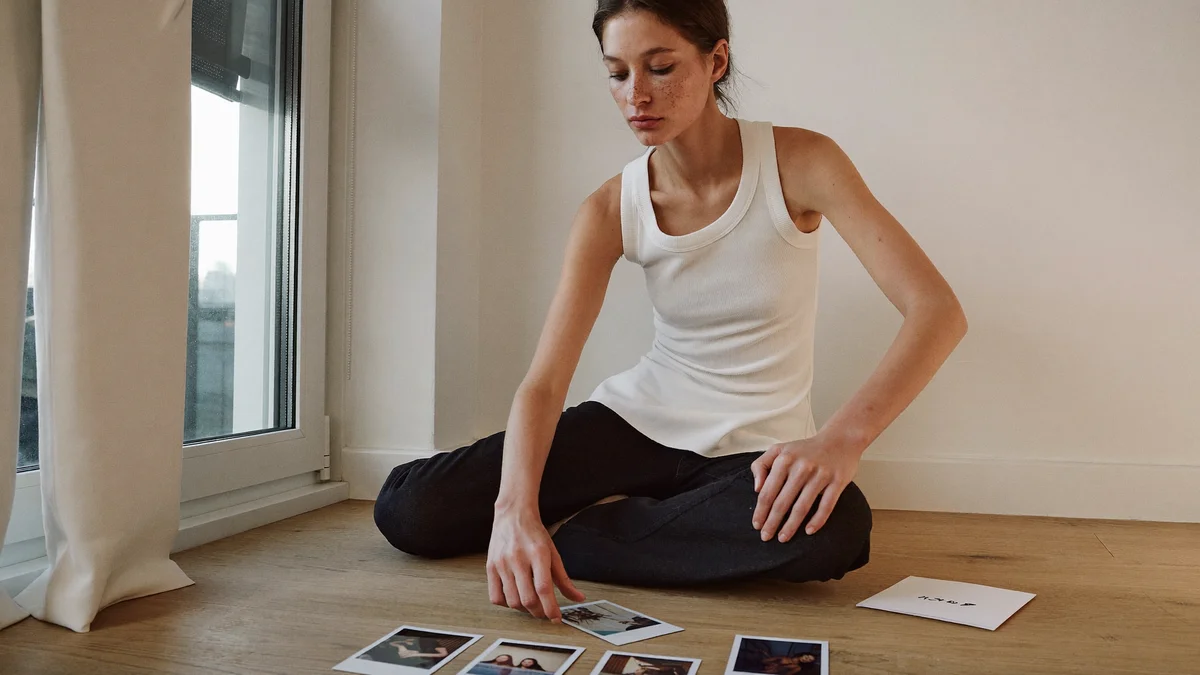
The polaroid is the raw photo, no makeup and no editing, against a plain wall. It shows the real you, and that's why it's worth more than a styled photo at the start. The step by step is in the model polaroids guide.
Digitals are the organized version of that, the package the agency asks for to circulate your profile. The difference between digitals and polaroids confuses a lot of people and decides selections.
The third is your Instagram. A booker opens it before replying, and what they see there counts as material. It's worth understanding how a mother agency reads your Instagram before you start posting anything.
With those three in place, you already have enough to present yourself to a serious agency without spending a cent on a studio book.
The mother agency and how not to get scammed
The mother agency is the one that discovers you, guides you and places you with other agencies around the world. It earns a percentage of what you bill, not a fee that comes out of your pocket. Its role is laid out in what a mother agency is.
This is where the most common scam in the industry lives. The rule to spot it is simple: money always flows from the agency to you, never the other way around.
Stay away from anyone who asks for payment to sign you up, demands an expensive paid book before any work, pushes a mandatory course or promises fame and travel in exchange for a fee. A real agency invests in the people it believes in and gets paid later, from your fee. Whoever charges you up front isn't an agency, it's a store.
Be wary, too, of contacts that only exist in DMs, with no website, no address and no known names behind them. Five minutes of research avoids most traps.
What to really expect
Nobody gets discovered today and walks in Paris next week. The start is slow and full of "no", and that's normal, not a sign you're not cut out for it.
In the first month of real work, a new face goes to a lot of castings and few of them turn into jobs. The truths nobody tells you at the start help you not give up at the first frustration.
The money also takes time and isn't what Instagram sells. Before dreaming of big fees, see how much an international model really earns, with the real math of a season.
The ones who understand this is a marathon, not a lottery, are the ones who stay in the game long enough to see results.
Inside Cosmos
Cosmos is a Brazilian mother agency based in Florianópolis (SC), and we've worked with more than 50 agencies across Asia, Europe and around the world. Our work starts before any campaign photo: understanding your type, checking your material and mapping the market that makes sense for you.
In practice, when applicable, our process usually includes looking at your polaroids and digitals honestly, pointing out what needs adjusting and only then thinking about a route. We don't promise runway or travel. We build the base so the next step, when it comes, lands in the right place.
Want Cosmos to look at your profile?
Frequently asked questions
Go commercial, which is the biggest market and doesn't filter by height. E-commerce, campaigns, advertising and the niches (fitness, plus size, hands, hair) work with people outside the runway range all year round.
No. A serious agency earns a percentage of what you bill, never a sign-up fee. Anyone who charges to register you, demands an expensive paid book or a mandatory course is running a scam. Money flows from the agency to you.
Over 18, you decide on your own. A minor under 18 who works with their own image needs a court authorization from the Childhood and Youth Court, under article 149 of the ECA. The request is made by the parents, through a lawyer. Always confirm your specific case with a professional.
Three things, all free or close to it: raw polaroids against a plain wall, an organized digitals package and a well-kept Instagram. An expensive studio book isn't a requirement to be seen by a real agency.