A modeling season in Japan is one of the most wanted in Asia and one of the most misunderstood. Tokyo pays well and works hard, but it has its own visa rules and a way of operating that doesn't forgive anyone who arrives unprepared.
This piece separates fact from rumor: how the season works, what the Japanese market actually buys, and why the visa is the point that stops more people than anything else.
How a modeling season in Japan works
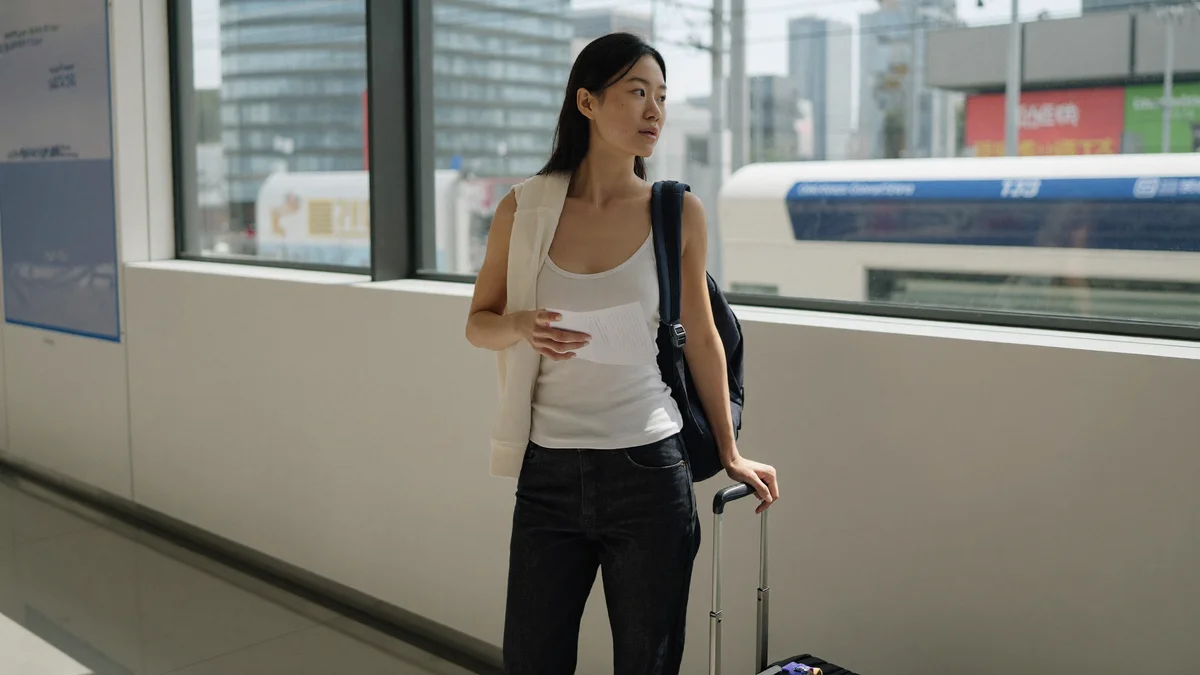
Japan works by season, like China and Korea. The model comes in for a fixed period, lives in a shared apartment the agency arranges in Tokyo, and goes to castings for the whole stay.
The length varies. Many contracts run around 30 to 90 days, and some stretch longer when the volume of work justifies it. It's not a tourist trip with a few jobs in between. It's a work routine: castings in the morning, shoots in the afternoon, a full schedule when the market responds.
The local agency usually covers the flight (or deducts it from what you earn) and puts the model in the apartment. In most cases there's a weekly allowance to cover the basics while the money from jobs hasn't come in yet. The exact conditions depend on the contract, so each season is what's written on paper, not what you hear around.
Tokyo is a commercial market, not a runway one
This is where the most common mistake about Japan lives. Most people picture shows and magazine editorials. What keeps Tokyo going is commercial work: catalog, e-commerce, beauty, hair, brand advertising.
That's the market that runs on volume and pays the bills. High fashion and editorial exist, yes, but they're the smaller slice. Anyone who goes to Japan counting only on the runway arrives and gets stuck.
The good news is that a strong commercial market makes room for more types of profile. The Japanese market is one of the most diverse in Asia: it uses Western models and models with Asian features, each for a different kind of campaign. Versatility is worth more than a single striking look.
The visa is what stops the most people
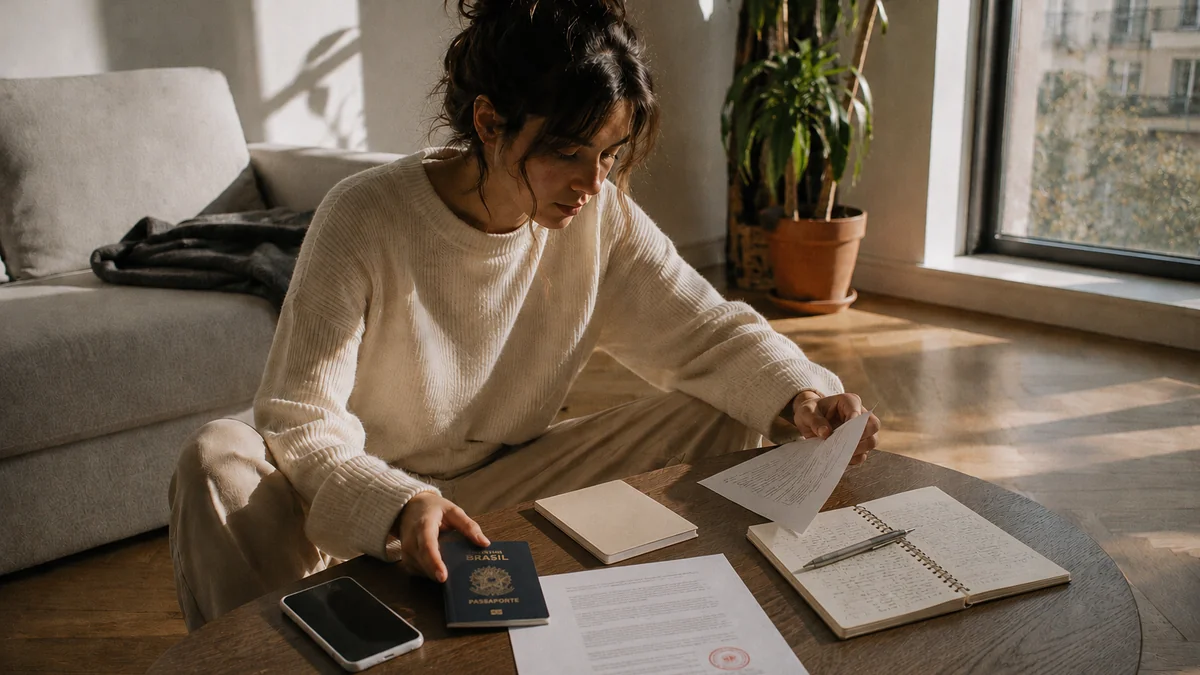
This is the serious part, and it's why this subject calls for extra attention. Paid modeling work in Japan requires the right visa, and the right visa isn't the tourist one.
Paid modeling falls under the "Entertainer" work visa. It covers artists, actors, musicians, athletes and models. To get this visa you need a real employment contract, a registered Japanese organization that sponsors your entry, and documentation of the activity the model will carry out. According to the Japanese government itself, the sponsor gathers the documents and submits them to immigration about three months before arrival.
The short-term stay visa (the tourist one, up to 90 days) prohibits any paid work. Doing a paid job on a tourist visa is illegal work in the eyes of Japanese immigration, and the penalty is harsh: deportation and a possible ban on entering the country again.
The safe route is the legal route, with the correct visa issued before you fly.
Visa requirements change. Always check with the Japanese embassy or consulate for up-to-date information before making any decision.
If you don't have a mother agency yet and want to be seen for this kind of market, you can start with Be Discovered.
How long the visa lasts and what it allows
The Entertainer visa can be issued for a period of up to three years and is renewable as long as the requirements are still met. Processing usually takes between one and three months, which is one more reason nobody decides on Japan at the last minute.
A practical point that helps: if the job dates fit inside the approved period and match the declared activity, a single Entertainer visa can cover several jobs in the same season. That's why it's worth listing every booking you already know about in the activity schedule when the application is put together.
What profile Japan looks for
The Japanese market values professionalism above anything else. Punctuality, discipline, attitude on set. It's a market that rebooks people who work well and cuts people who cause trouble.
Visually, versatility. Both Western and Asian features have room, each pulled by a different type of client. Healthy skin and hair weigh a lot, because beauty and hair are big slices of commercial work. Measurements within the commercial standard count more than extreme runway height.
And the material has to be clean. A Japanese booker opens the portfolio and the digitals first. Over-retouched photos that don't match the real person kill the chance before the call.
Mistakes that cost you the season
- Arriving thinking it's runway. It's commercial. Adjust your expectations and your material.
- Underestimating the visa. Without the right visa, there's no legal season. Period.
- Leaving everything to the last minute. A three-month process doesn't fit a last-minute decision.
- Material that doesn't match reality. An honest digital is worth more than a heavily retouched photo.
- Going without a mother agency organizing the process. Japan has its own submission process and its own bureaucracy, and navigating that alone is where most people get lost.
Inside Cosmos
When Cosmos looks at Japan for a model, the conversation starts with real fit: whether the profile works for Japanese commercial work, whether the dates make sense for her career, and whether the visa is doable within the timeline. Without those three, don't force it.
Our process usually includes following the visa side together with the destination agency, aligning the contract conditions before any departure, and preparing the material to the standard the Japanese market expects to see. Each season is handled by what's in the contract, not by generic promises.
The role of a mother agency here is to walk the model through the legal route, with time to do it right.
Heading for a season in Japan and the visa is your biggest knot? Cosmos helps organize the process on the right side of the law.
Write to info@cosmosmgm.com and we'll point you in the right direction.
Frequently asked questions
Not legally. The short-term stay visa prohibits paid work. Paid modeling jobs require the Entertainer visa, sponsored by a registered Japanese organization. Paid work on a tourist visa is illegal work and can lead to deportation.
Processing usually takes one to three months, and the Japanese sponsor submits the documents to immigration about three months before arrival. That's why Japan is never a last-minute decision.
It helps, but it's not required. The local agency organizes the castings and work communication. What weighs more is professionalism, punctuality and attitude on set.
Mostly commercial: catalog, e-commerce, beauty, hair and advertising. Editorial and high fashion exist, but they're the smaller slice. Anyone who goes counting only on the runway arrives and gets stuck.
Versatility. Japan uses both Western and Asian features, each for a different type of campaign. Healthy skin and hair and measurements within the commercial standard count more than extreme runway height.
Keep reading
- Z visa: the work visa for China
- What a mother agency is and why it matters
- What a model's first season in China was like
- How much an international model earns
Official source: Working visa: Entertainer, Ministry of Foreign Affairs of Japan.